.jpg)
How Routine Trimming Extends Tree Life?
Show More
Written by James M | Writer/Editor, Team Always AddValue

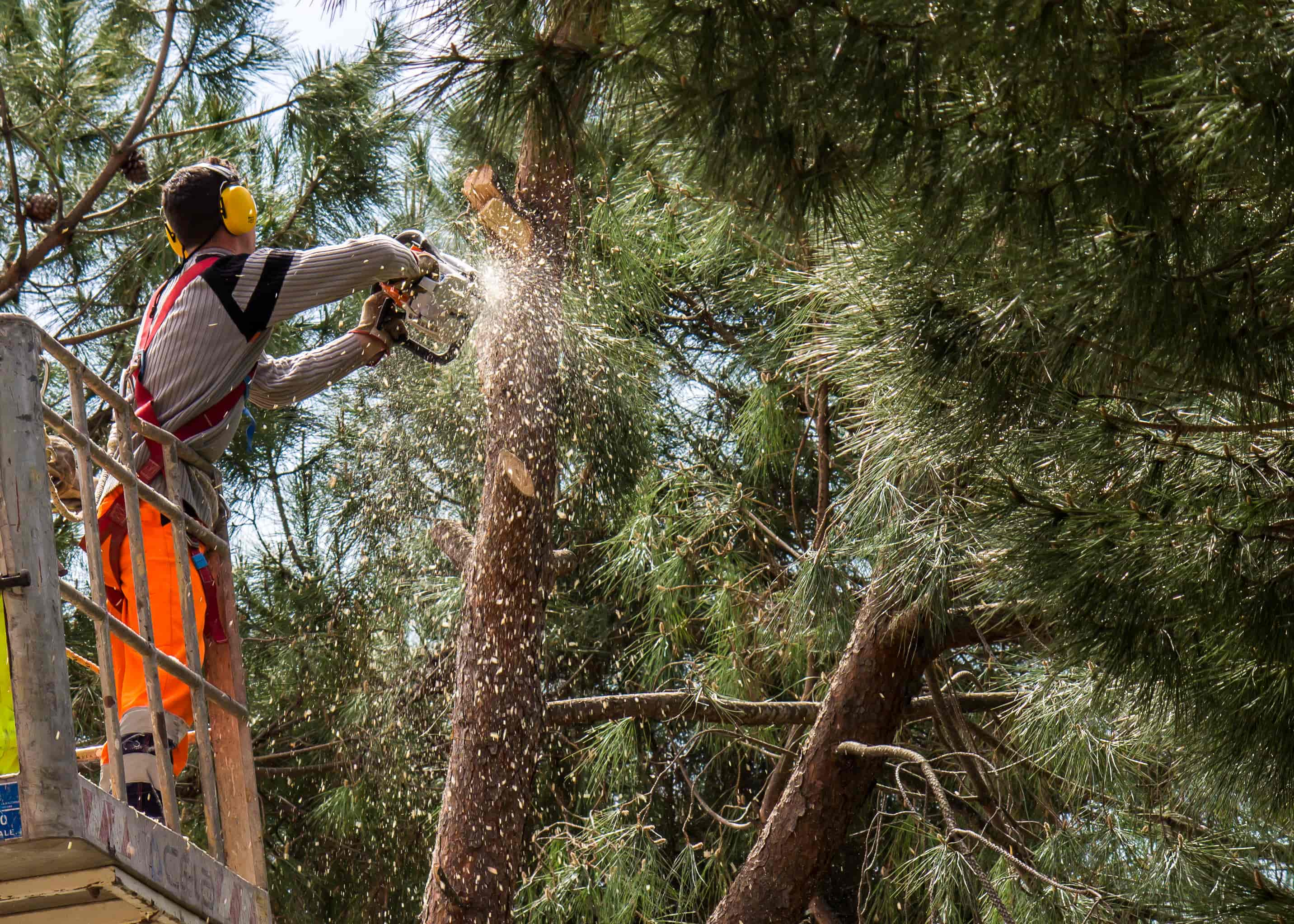
Tree trimming can improve safety and appearance, but it also carries real risks. Every year, homeowners are injured while attempting to cut branches without proper planning or protection. Knowing essential tree trimming safety tips for homeowners can help prevent accidents, protect property, and ensure trees are handled responsibly, whether you’re doing minor work yourself or hiring professionals from reliable tree trimming services providers.
Here are a few essential tips that homeowners should remember before starting their tree trimming activity.
Tree trimming involves sharp tools, unstable limbs, and unpredictable movement. Even small branches can cause serious injury when they fall unexpectedly.
The U.S. Consumer Product Safety Commission (CPSC) reports thousands of injuries annually related to chainsaws, ladders, and falling tree limbs. Recognizing these risks is the first step toward safer decision-making.
One of the most important safety tips is knowing your limits. Trimming branches near roofs, power lines, or at significant heights should never be handled without professional training.
The Electrical Safety Foundation International (ESFI) warns that tree contact is a leading cause of power outages and electrical injuries. If a branch is within reach of utility lines, professional tree trimming services are the safest option.
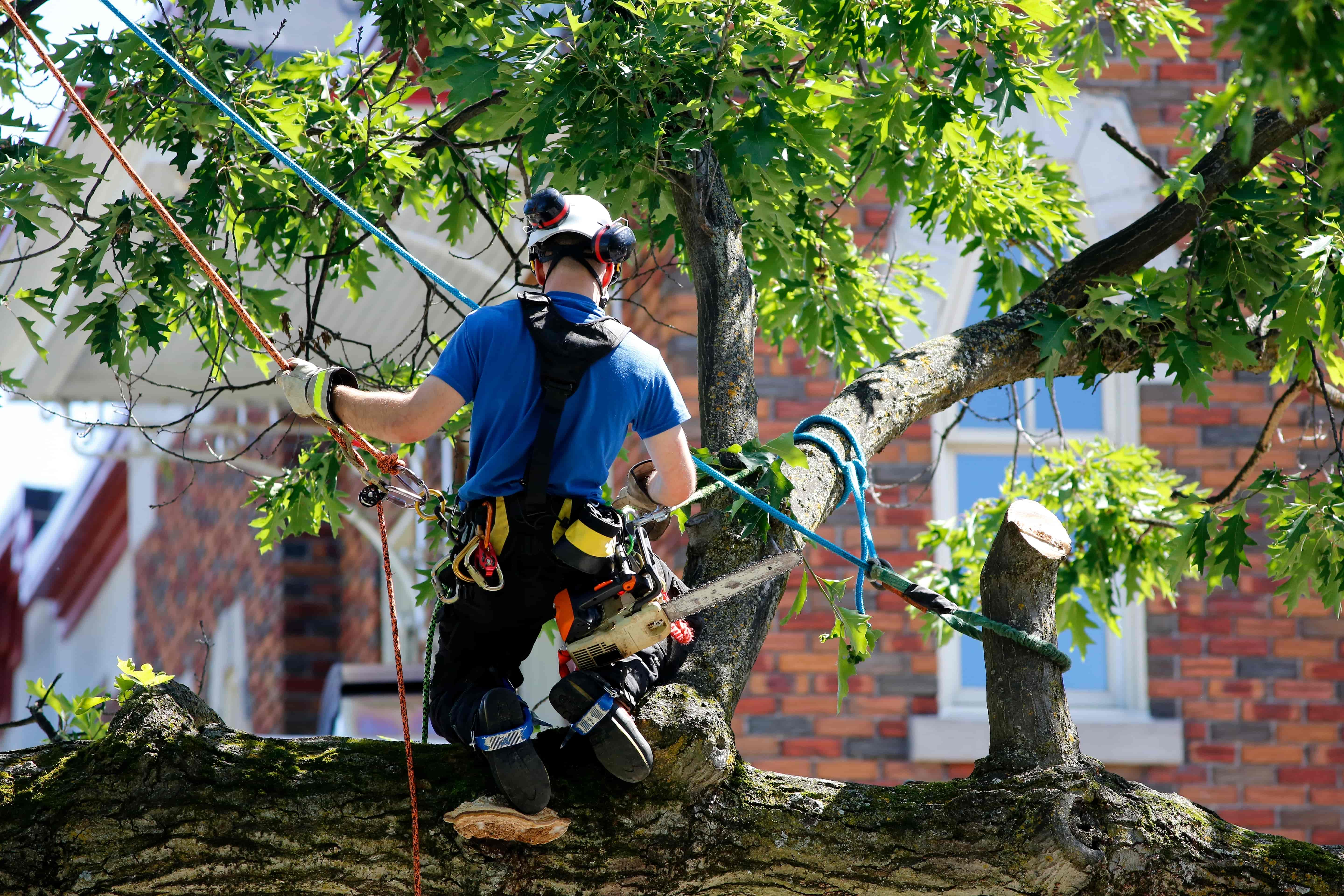
Protective equipment significantly reduces injury risk. Homeowners attempting light trimming should never work without proper gear.
Recommended safety equipment includes:
According to the National Institute for Occupational Safety and Health (NIOSH) emphasizes personal protective equipment as a critical injury-prevention measure in outdoor work. Skipping safety gear increases risk dramatically.
Branches don’t always fall straight down. Tension, wind, and tree structure can cause limbs to swing or bounce unpredictably.
The National Safety Council advises maintaining clear drop zones and keeping bystanders well away from active cutting areas. Establishing a safety perimeter protects people, vehicles, and nearby structures.
Ladders are one of the most common sources of homeowner injuries during tree trimming. Uneven ground, shifting weight, and falling debris make ladder use especially dangerous.
The Centers for Disease Control and Prevention (CDC) reports that ladder falls result in tens of thousands of emergency room visits each year. Whenever possible, avoid ladder-based trimming and leave elevated work to trained professionals.
Working alone increases the severity of accidents. If something goes wrong, immediate help may not be available.
The American Red Cross emphasizes that having another person present during hazardous tasks can reduce response time in emergencies. A second person can monitor safety zones, assist with tools, or call for help if needed.
Wind, rain, or wet surfaces significantly increase the danger of tree trimming. Slippery branches and unstable footing raise the risk of falls and loss of control.
The National Weather Service advises postponing outdoor cutting work during windy or wet conditions. Clear, calm weather provides safer working conditions.
Branches often carry hidden tension. Cutting without understanding load distribution can cause limbs to snap back or fall in unexpected directions.
The Tree Care Industry Association (TCIA) explains that improper cutting of tensioned branches is a common cause of injury. Professional training helps workers anticipate and manage these forces safely.
Loose branches, sawdust, and tools create tripping hazards. Keeping work areas clean reduces the chance of secondary accidents.
The Occupational Safety and Health Administration (OSHA) highlights housekeeping as an essential component of job-site safety. Orderly workspaces are safer workspaces.
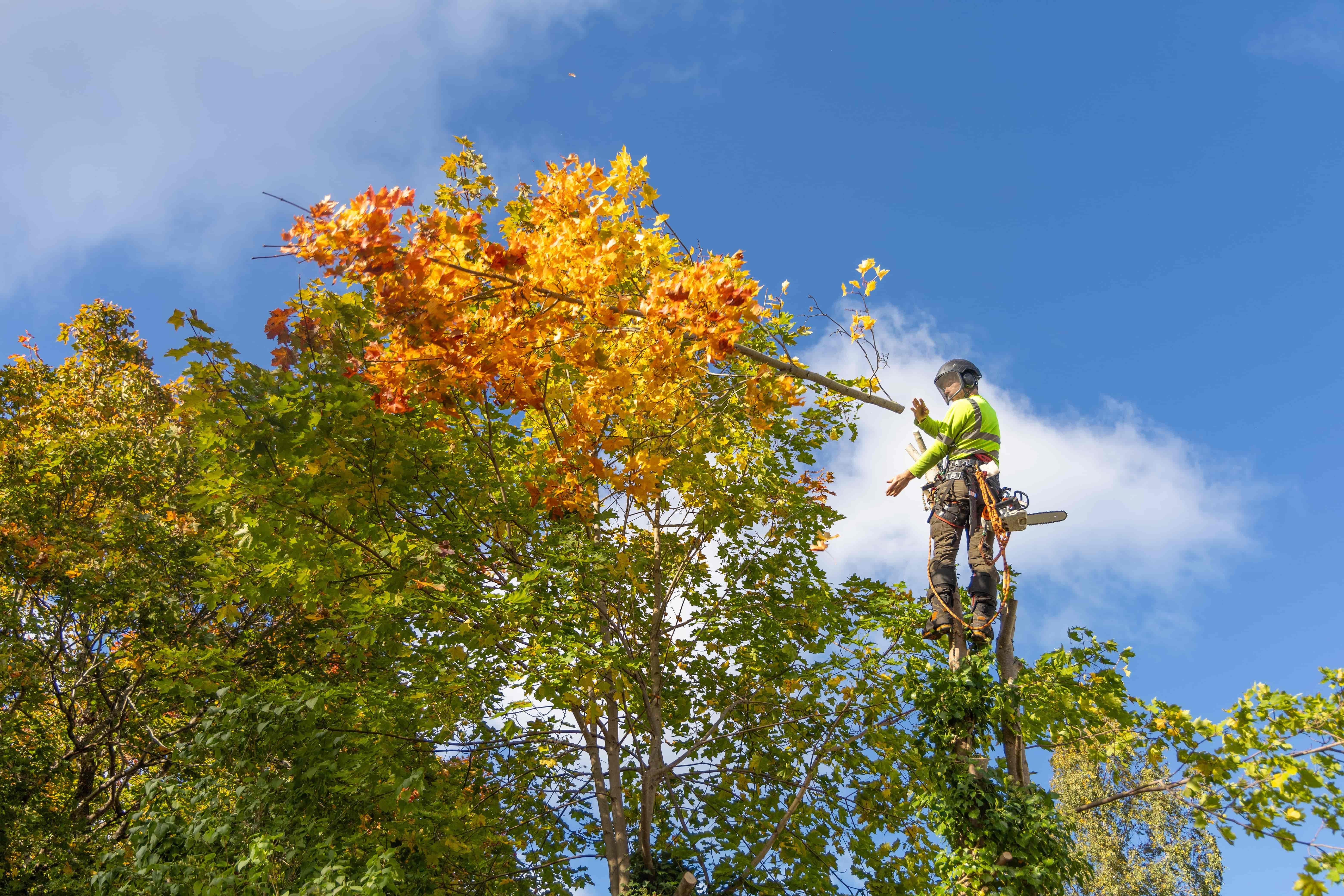
While homeowners may handle minor pruning, professional tree trimming services bring specialized equipment, training, and safety protocols. Professionals manage risk through controlled cutting techniques, rigging systems, and hazard assessments.
Choosing professionals not only protects people, it protects trees from improper cuts that can cause long-term damage.
Tree trimming safety tips for homeowners aren’t about fear, they’re about awareness. By understanding risks, using proper precautions, and knowing when to call professionals, homeowners can avoid injuries, protect property, and ensure trees are cared for safely and responsibly.