How Much Does Tree Trimming Cost?
Show More
Written by Carson M | Writer/Editor, Team Always AddValue

When homeowners search for ways to manage overgrown trees, two terms often come up: tree topping and pruning. While they may sound similar, the difference between these practices can determine whether a tree thrives for decades, or declines rapidly. Understanding tree topping vs pruning helps property owners make informed decisions that protect both tree health and safety.
Tree topping involves cutting back large portions of a tree’s canopy, often removing the upper branches indiscriminately. The goal is usually to reduce height quickly, but the method ignores how trees grow and respond to stress.
Topped trees are left with large wounds and little remaining foliage, disrupting their ability to produce energy. According to the International Society of Arboriculture (ISA), topping is considered a harmful practice that often leads to decay, weak regrowth, and increased failure risk.
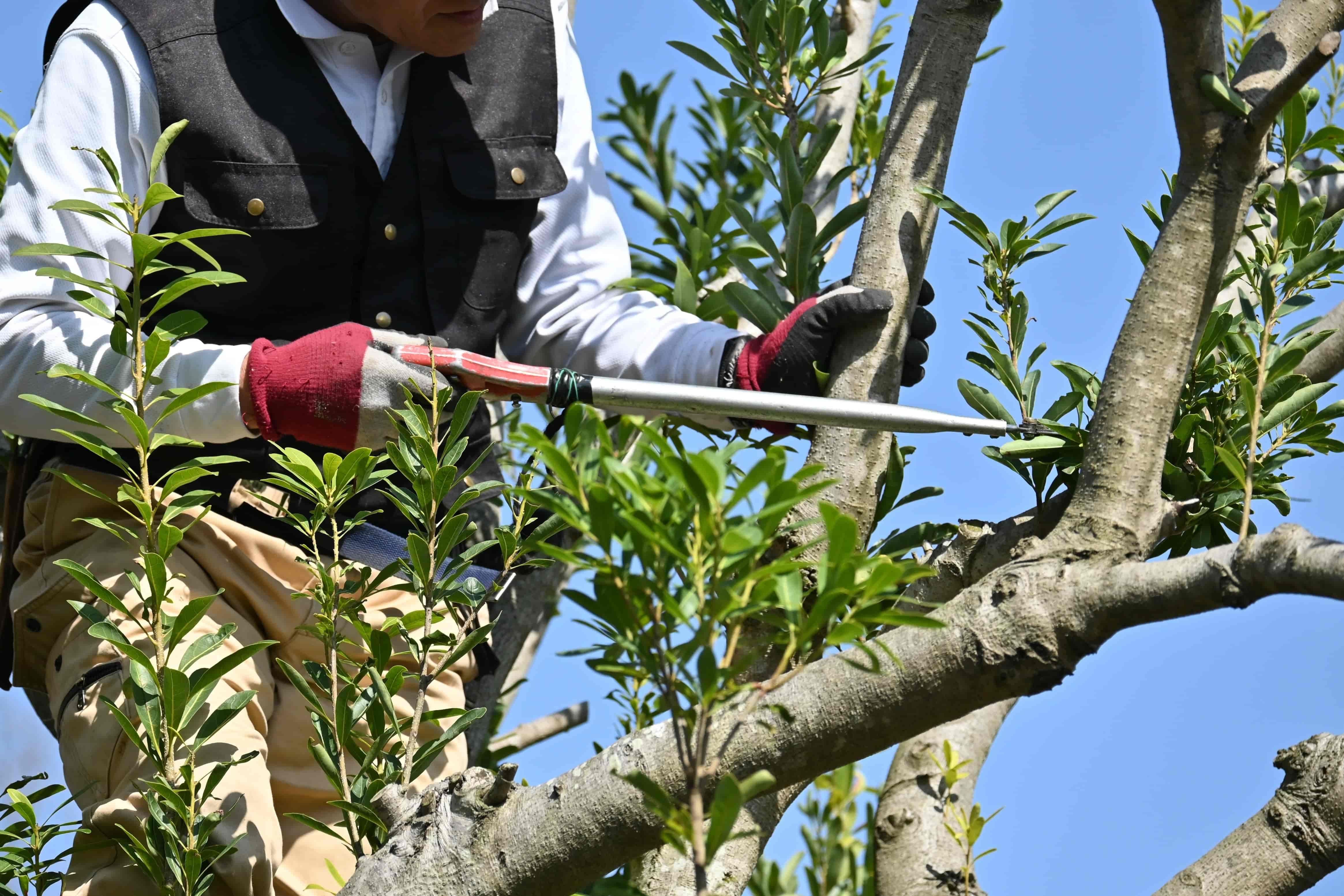
Pruning is a targeted, strategic process that removes specific branches to improve structure, health, and safety. Proper pruning respects a tree’s natural growth pattern and focuses on long-term stability rather than short-term size reduction.
Pruning typically addresses:
It is often observed that correct pruning improves tree strength and longevity rather than compromising it.
Understanding tree topping and pruning differences starts with intent and technique.
Tree topping:
Pruning:
While topping focuses on quick visual results, pruning prioritizes biological health.
Trees respond to pruning by redistributing energy efficiently. Proper cuts allow wounds to seal naturally, limiting decay and supporting structural integrity.
In contrast, topping shocks the tree. Severe canopy loss forces trees into survival mode, producing fast-growing shoots that are poorly attached and prone to breaking. This response increases tree maintenance needs rather than reducing them.
Despite clear evidence against it, tree topping persists because it appears to offer immediate results. A drastically shortened tree may look “controlled” at first, but the hidden consequences emerge over time.
Homeowners may not realize that topped trees often:
What seems like a cost-saving shortcut often becomes an expensive cycle.
Crown reduction is frequently confused with topping, but it’s a form of pruning, not topping. Unlike topping, crown reduction selectively shortens branches back to suitable lateral growth points.
When performed correctly, crown reduction:
The distinction matters. Crown reduction follows pruning principles, while topping ignores them entirely.
Tree topping vs pruning isn’t just a health discussion, it’s also a safety issue. Weak regrowth from topped trees is more likely to fail during storms or high winds. Additionally, poorly maintained trees significantly increase storm-related property damage risk. Proper pruning reduces that risk rather than amplifying it.
Tree biology isn’t intuitive. What looks like a harmless cut can disrupt years of healthy growth. Professional arborists understand how different species respond to pruning and how to balance safety with longevity. Choosing pruning over topping reflects a long-term mindset, protecting both the tree and the property it stands on.
When comparing tree topping vs pruning, the answer is clear. Topping sacrifices long-term health for short-term appearance, while pruning works with a tree’s natural systems to promote strength, safety, and resilience.
Trees are assets. Treating them with informed care ensures they remain that way for years to come.
Tree topping and pruning are not interchangeable practices. One weakens trees and creates future risk; the other supports healthy growth and stability. Understanding this difference empowers property owners to choose methods that preserve tree health rather than compromise it.