How Routine Trimming Extends Tree Life?
Show More
Written by James M | Writer/Editor, Team Always AddValue

Most dangerous trees don’t announce themselves loudly. They don’t fall without warning or split in half overnight. Instead, they show small, easy-to-ignore signals, the kind people dismiss until something huge breaks, collapses, or causes damage.
Understanding the crucial steps when a tree threatens property safety helps you recognize possible danger escalation before any fatal failure occurs.
A tree leaning slightly. A crack that wasn’t there last year. A branch that sheds leaves early. These don’t feel urgent, until they become.
According to the general principles outlined in tree hazard evaluation, risk is a combination of failure potential and target presence. When a tree can fail and something valuable sits beneath it, safety becomes an issue, not just a landscaping concern.
Trees naturally grow at angles. But sudden or increasing lean is different.
A change in posture often indicates:
Tree uprooting explains that compromised roots are one of the most common precursors to tree failure. When lean changes over time, risk escalates quickly.
Cracks in trunks or major limbs are not cosmetic. They are structural.
These defects may signal:
Cracks interrupt load distribution, weakening the tree’s ability to support itself. Any visible split near a structure should be treated as a safety concern.
Deadwood is unpredictable. Unlike living branches, dead limbs do not bend under stress, they snap.
Dead branches are among the most common causes of property damage during wind events. When dead limbs hang over roofs, vehicles, or walkways, the threat is immediate.
Proximity amplifies risk. Even healthy trees can become dangerous when growing too close to buildings.
Trees close to structures can:
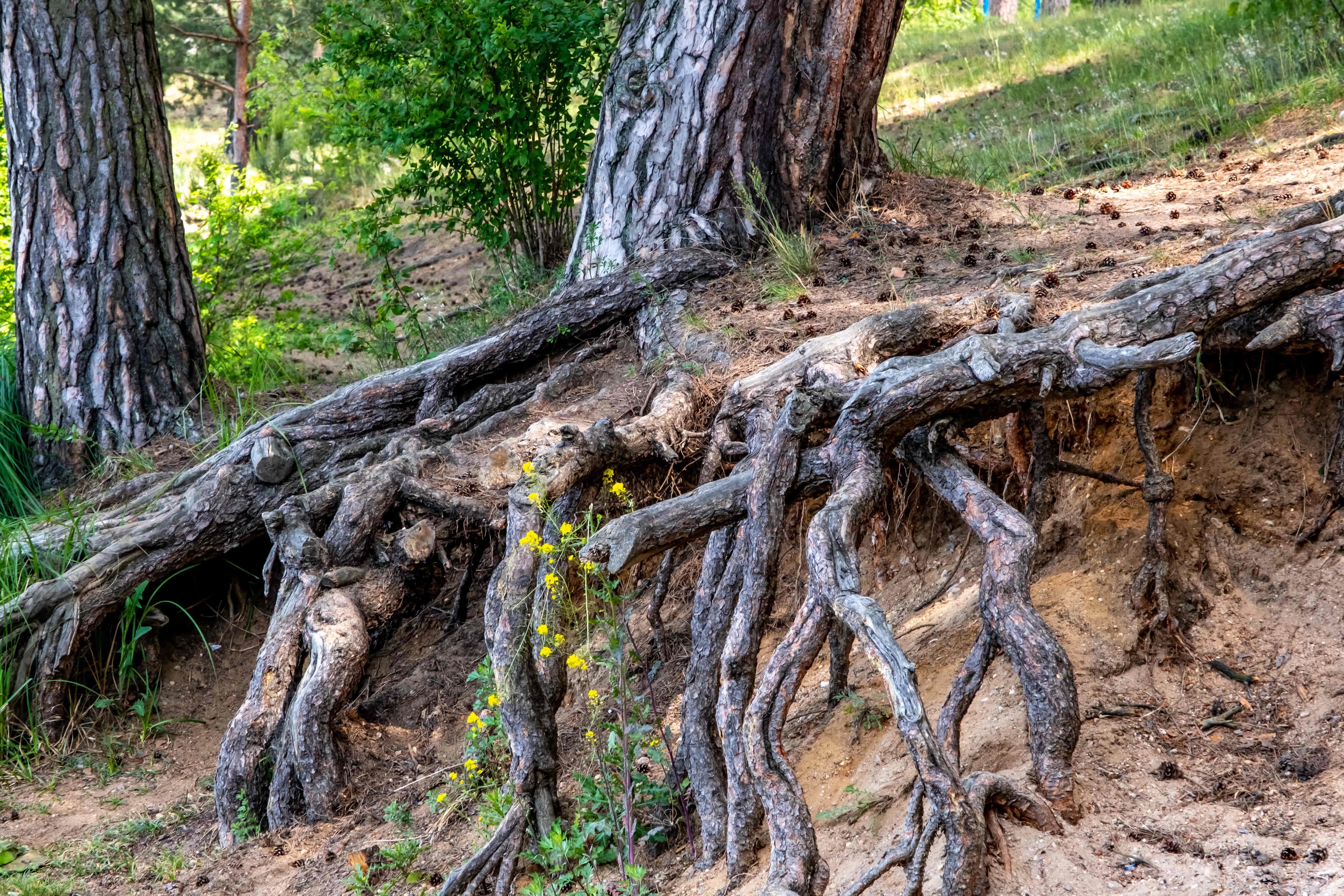
The tree root article explains how root systems spread laterally far beyond the canopy.
Distance is safety. Lack of distance is exposure to fatal dangers.
Trees rely on stable soil. When soil conditions change, stability changes with it.
Red flags include:
Shifting soil affects load-bearing structures, including trees. Ground movement often precedes tree failure.
Trees weakened by past storms don’t always fail immediately. Damage can be internal and progressive.
According to storm damage principles, repeated stress increases the likelihood of delayed failure. A tree that survived one storm may fail in the next, not because the storm was worse, but because the tree already was.
Tree failures don’t just damage trees. They damage:
Once failure occurs, options disappear. Preventive assessment becomes an emergency response. The risk management framework emphasizes addressing hazards before damage occurs. Tree safety follows the same rule.
Trained professionals assess:
This isn’t guesswork, it’s structured risk evaluation based on observable indicators.
The tree risk assessment concept is widely recognized within arboriculture. Early assessment preserves options. Delay removes them.
Trees threaten property safety not when they fall, but when warning signs are ignored. Leaning, cracking, deadwood, proximity, and soil changes are not aesthetic issues. They are escalation signals. Recognizing them early is how property damage is avoided, not repaired.