.jpg)
How Much Does Tree Trimming Cost?
Show More
Written by Carson M | Writer/Editor, Team Always AddValue

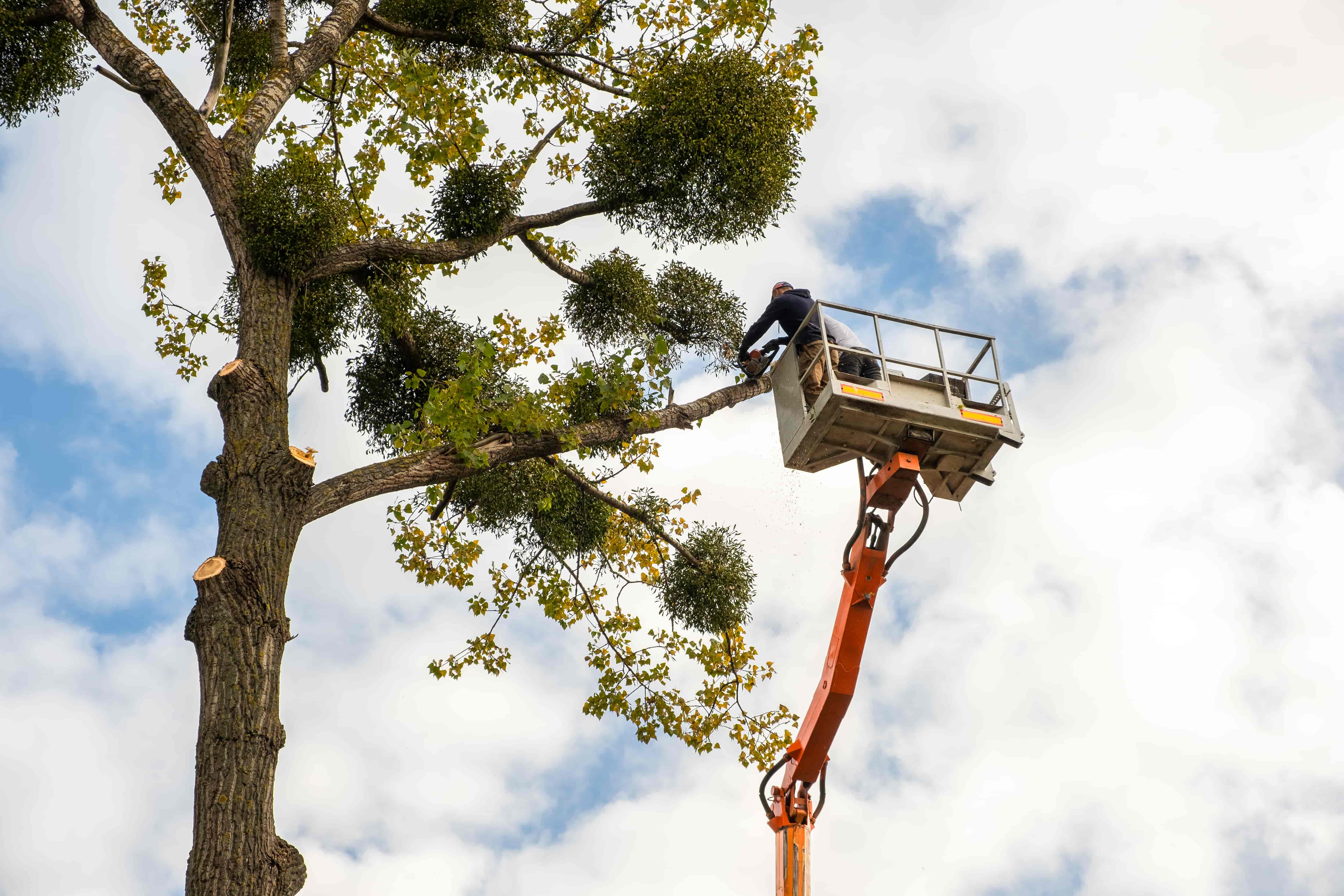
You must often have heard that tree topping is often marketed as a quick solution for controlling tree size. In reality, it creates a chain reaction inside the tree that compromises health, structure, and longevity. Understanding why tree topping damages tree health requires looking at how trees grow, store energy, and respond to injury.
Trees rely on their leaves to produce energy through photosynthesis. When topping removes large portions of the canopy, the tree suddenly loses a major source of food.
Removing too much foliage at once deprives a tree of its ability to sustain itself, forcing it into survival mode. This energy loss weakens the tree from the inside out.
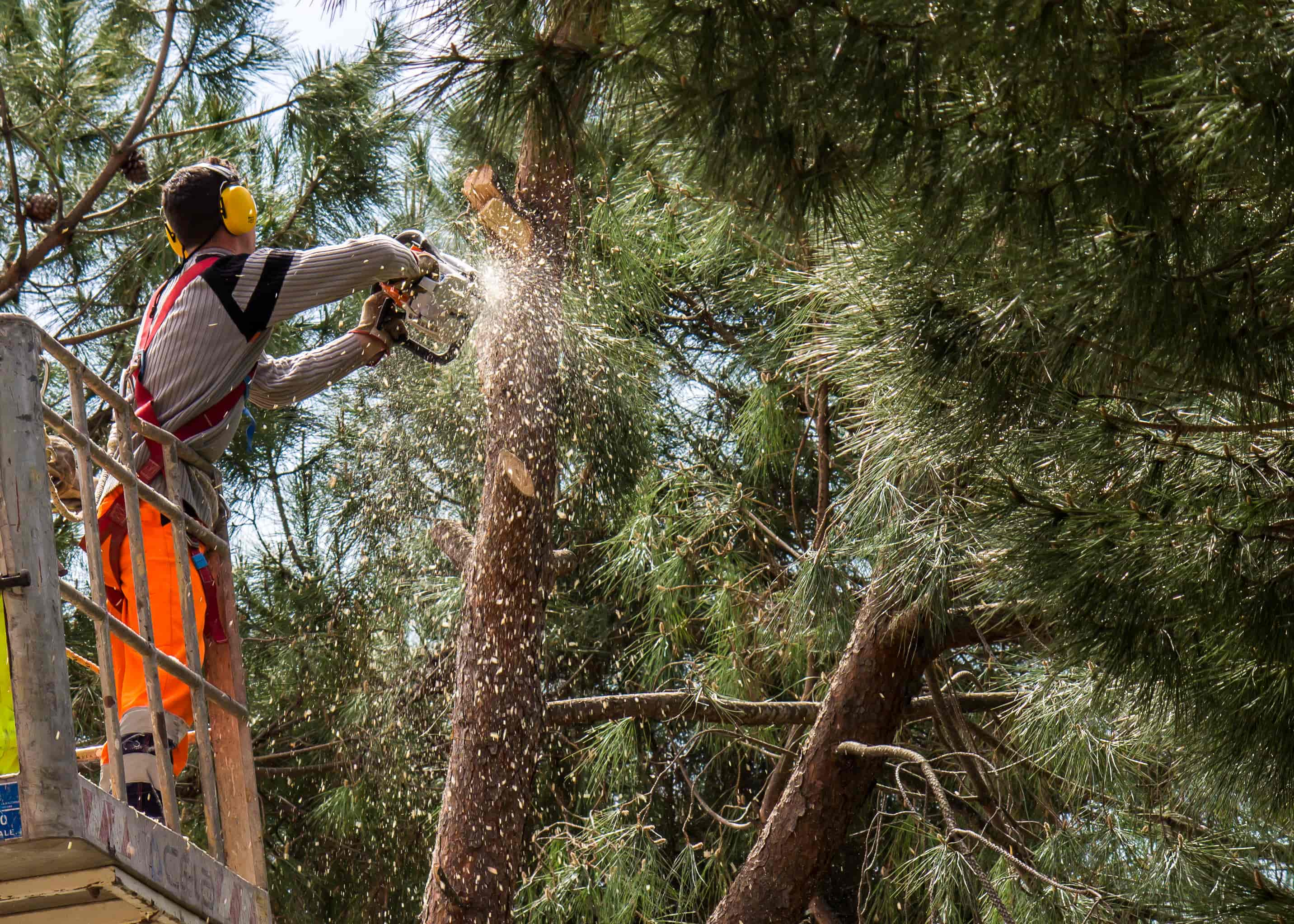
Tree topping involves cutting branches at arbitrary points rather than at natural growth junctions. These cuts are often too large for the tree to seal properly.
Additionally, oversized wounds expose trees to decay organisms, which slowly break down internal wood and reduce structural strength. Once decay begins, it cannot be reversed, only managed.
After topping, trees respond by producing fast-growing shoots near the cut sites. While this regrowth may look vigorous, it’s structurally weak.
These shoots:
According to industry reports, regrowth following tree topping is far more likely to fail than naturally developed branches. What looks like recovery is actually instability.
Stress weakens a tree’s natural defense systems. When a tree is topped, it becomes more vulnerable to insects and pathogens that target compromised wood.
The U.S. Department of Agriculture (USDA) highlights that stressed trees are significantly more susceptible to infestations and disease spread. This often leads to additional treatments, costs, and decline.
Many tree species rely on their canopy to protect bark from direct sunlight. Topping suddenly exposes inner branches and trunk sections that were never meant to receive full sun.
This exposure can cause:
Sunscald is a frequent but overlooked consequence of aggressive canopy removal.
A common justification for topping is reducing future maintenance. In practice, the opposite happens.
Topped trees often require:
Topping shortens a tree’s lifespan and increases long-term care costs. The initial “fix” creates ongoing problems.
As topped trees decline, they pose greater risks to people and property. Weak regrowth and internal decay increase the likelihood of branch failure during storms.
The Insurance Institute for Business & Home Safety (IBHS) reports that tree-related damage is a major contributor to wind and storm losses. Improper practices directly affect liability and safety.
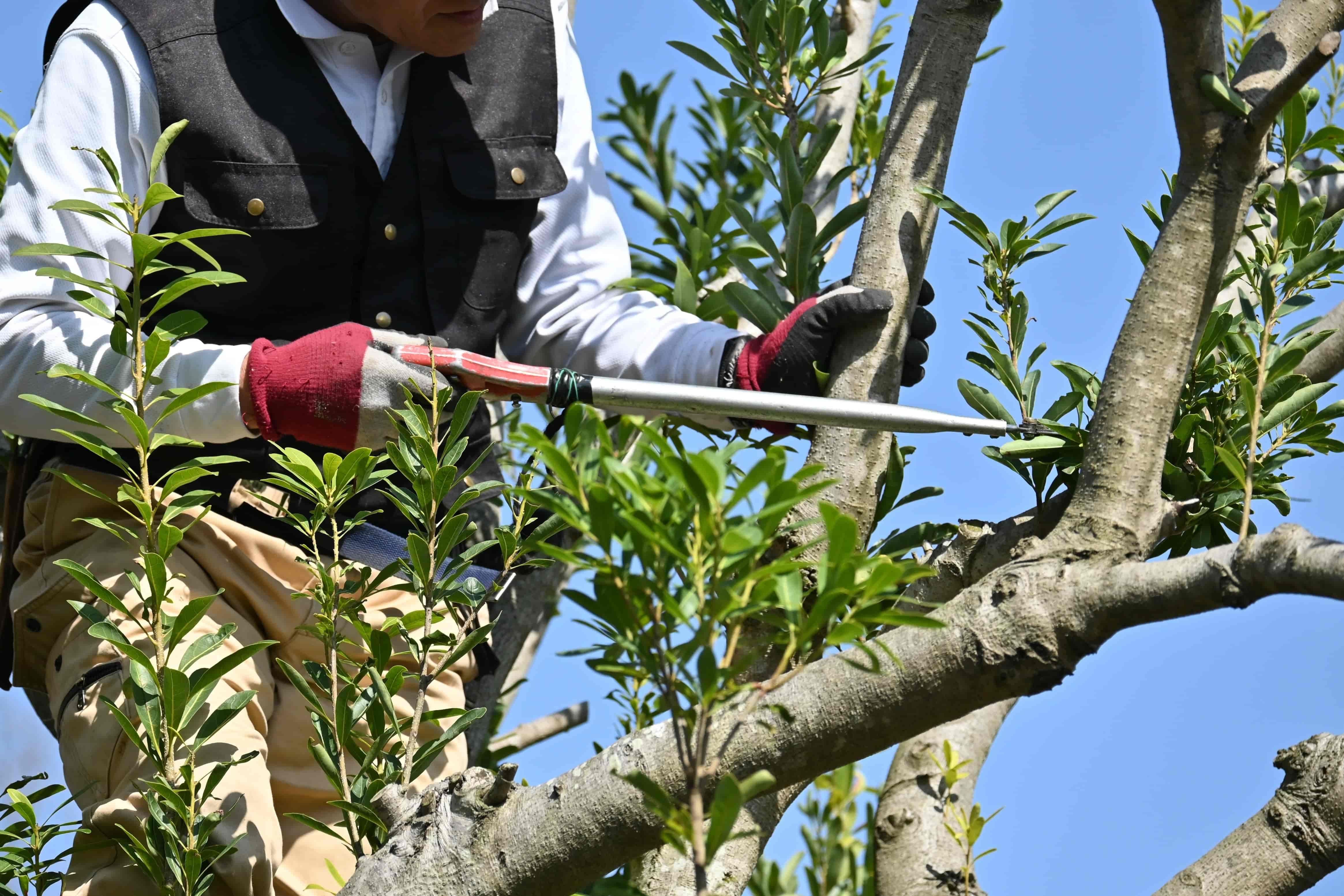
Unlike topping, pruning works with a tree’s biology. Selective cuts preserve leaf area, maintain structure, and reduce stress.
Proper pruning:
This approach strengthens trees rather than weakening them.
Tree topping may reduce height temporarily, but it increases:
What appears economical upfront often becomes the most expensive option over time.
Trees are long-term investments. Practices that ignore how they grow and recover inevitably shorten their lifespan.
Avoiding tree topping isn’t just about aesthetics but about preserving safety, value, and ecological balance.
Tree topping damages tree health by stripping energy, creating decay, and encouraging weak regrowth. Over time, it leads to greater risk and higher costs. Choosing informed pruning practices protects both trees and the environments they support.