.jpg)

Tree Risk Assessment Explained
Show More
Written by Sarah J | Editorial Team

The difference between routine tree maintenance and emergency tree removal often comes down to timing. One is planned, predictable, and relatively affordable. The other is urgent, disruptive, and expensive. For many property owners, the real cost isn’t obvious until something goes wrong.
This comparison breaks down how these two approaches differ, not just in price terms, but in consequences too.
There are few critical differences that make tree maintenance distinct from emergency removal services.
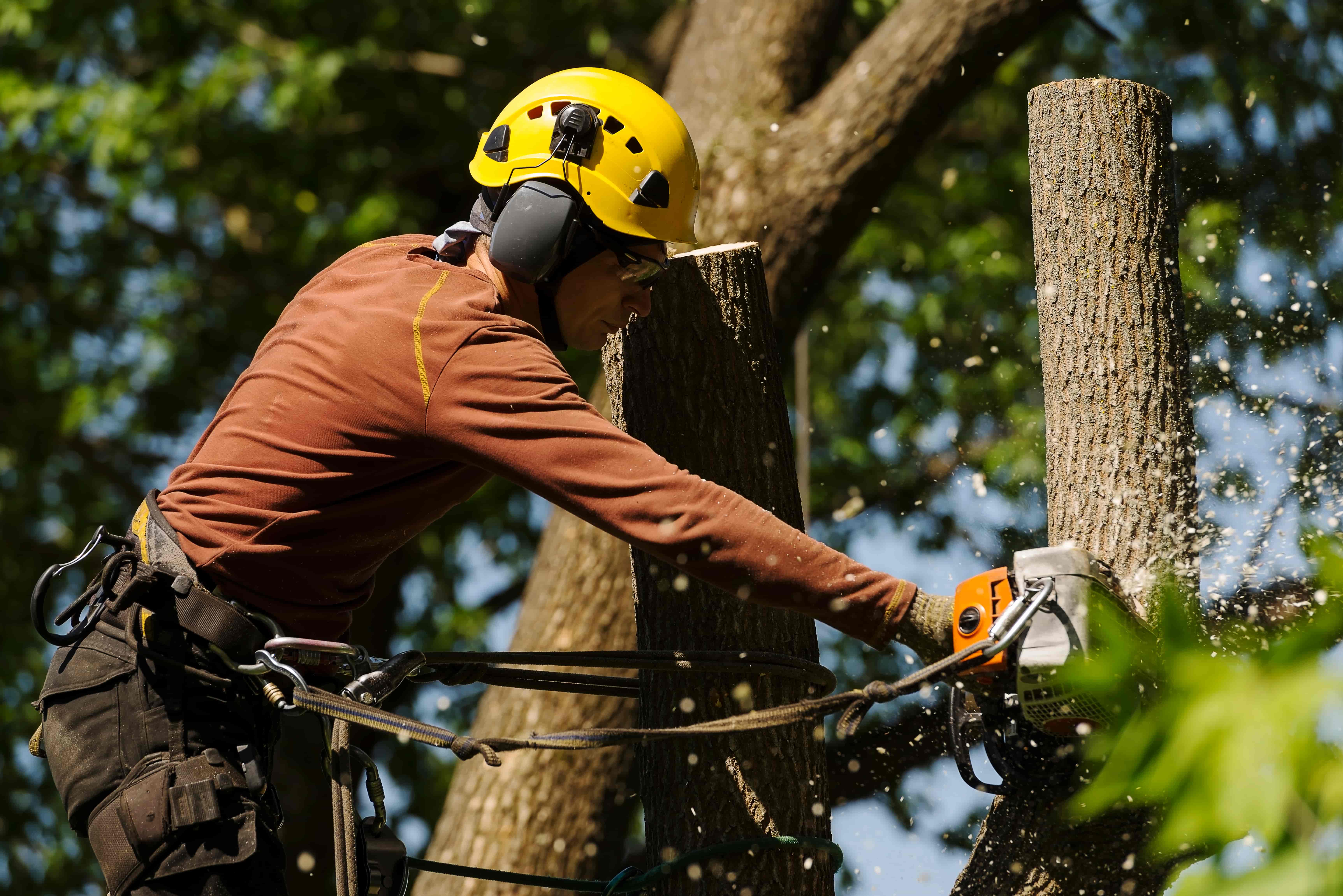
Regular tree maintenance is scheduled work. It’s performed under controlled conditions, with time to assess tree structure, access equipment safely, and manage costs efficiently.
Maintenance typically includes:
Because the work is planned, it allows for competitive pricing and proper preparation.
An industry report on home maintenance planning highlights that preventive upkeep across property systems consistently costs less than emergency repairs triggered by neglect. Trees are no exception.
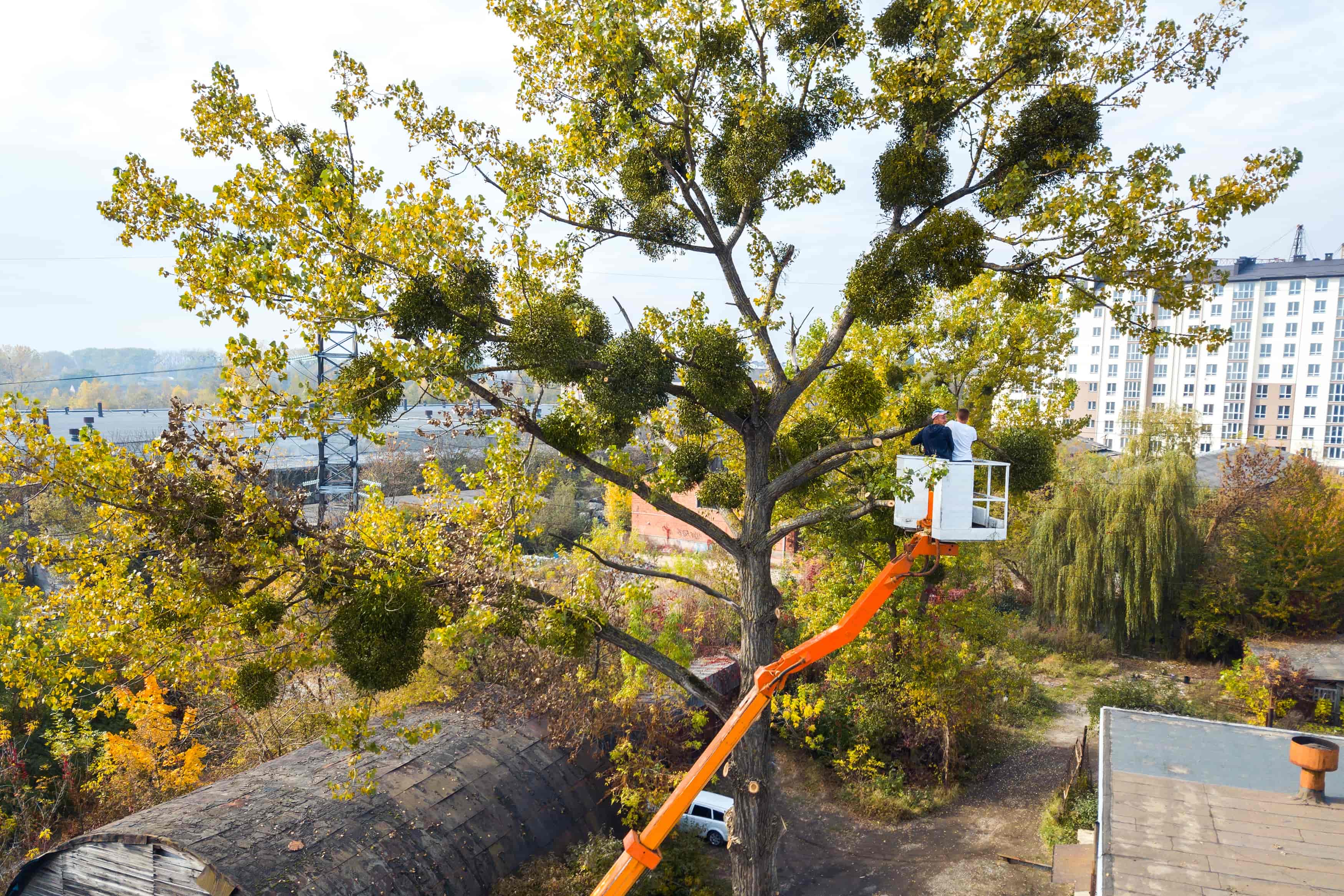
Emergency tree removal usually follows a failure, after a storm, sudden collapse, or immediate safety threat. Decisions are made quickly, often under stressful conditions.
Emergency situations may involve:
According to news reports from multiple sources, falling trees and limbs are a major cause of storm-related property damage, particularly during high-wind events.
Urgency limits options, and, unfortunately, increases cost.
Routine maintenance costs are generally predictable and spread over time. Emergency removal, by contrast, concentrates expenses into a single event.
Emergency services often require:
Industry reports reveal storm cleanup expenses and emergency tree work can cost several times more than preventive trimming due to urgency and hazard conditions.
The same tree that could have been maintained affordably may become a costly emergency overnight.
When emergency removal is required, the tree has often already caused damage. Roof repairs, fence replacement, vehicle damage, or utility disruption can add thousands of dollars beyond the removal itself.
Fallen trees frequently trigger secondary repair costs that exceed the original cleanup expense. Routine maintenance reduces the likelihood of these cascading costs.
Many property owners assume insurance will offset emergency costs. In reality, coverage often depends on circumstances, policy language, and the nature of damage occurred.
As per insurance industry reports, insurance may cover damage caused by fallen trees, but preventive removal and maintenance are typically not covered, nor are all emergency situations fully reimbursed.
Relying on insurance after neglect can still leave significant out-of-pocket expenses.
Routine maintenance gives property owners control—over timing, budgeting, and outcomes. Emergency removal removes that control entirely.
In emergencies:
A report on extreme weather impacts emphasizes that infrastructure stress—including trees near homes—amplifies recovery costs when maintenance is deferred.
A greater degree of Control is a financial asset.
Routine maintenance lowers risk gradually. Emergency removal addresses risk only after it becomes immediate.
Maintenance reduces:
Emergency removal responds to:
One strategy manages risk. The other reacts to it.
Most emergency tree removals aren’t random. They stem from:
Years of small decisions, or indecision, often lead to a single expensive moment.
Routine maintenance distributes cost over time. Emergency removal concentrates cost, risk, and stress into a single event.
From a financial standpoint, the difference is stark:
Tree maintenance and emergency removal aren’t interchangeable options, they represent opposite ends of the cost spectrum. Routine maintenance protects property, preserves control, and limits risk. Emergency removal is what happens when prevention runs out.